


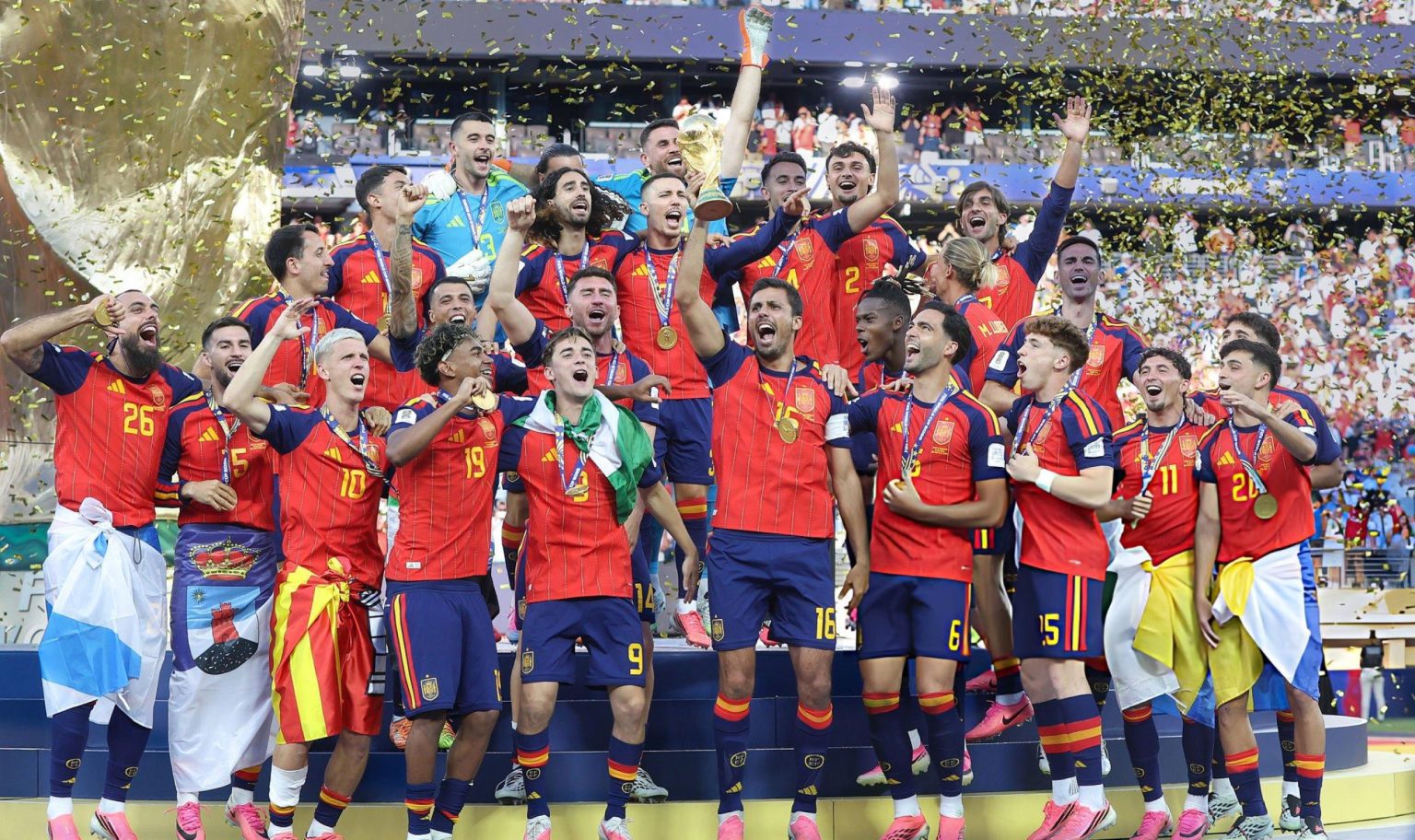
Spain have secured another glorious chapter in their football history after defeating Argentina 1-0 in extra time to win the World Cup. The victory was a reflection of Spain’s tactical excellence, control, and long-standing commitment to possession-based football.
Ferran Torres scored the decisive goal in extra time after Spain dominated the final with their trademark passing style and complete control of the game. From the opening minutes, Spain dictated the tempo, limiting Argentina’s attacking opportunities and demonstrating why they were considered the strongest team throughout the tournament.
The World Cup triumph was also highlighted by Spain’s success in the individual awards, with three players receiving major honours for their performances.
Rodri Wins Golden Ball Award as Player of the Tournament
Rodri was named the Golden Ball winner after an outstanding World Cup campaign. The Spanish midfielder played a vital role in controlling matches, maintaining possession, and providing stability in the centre of the pitch.
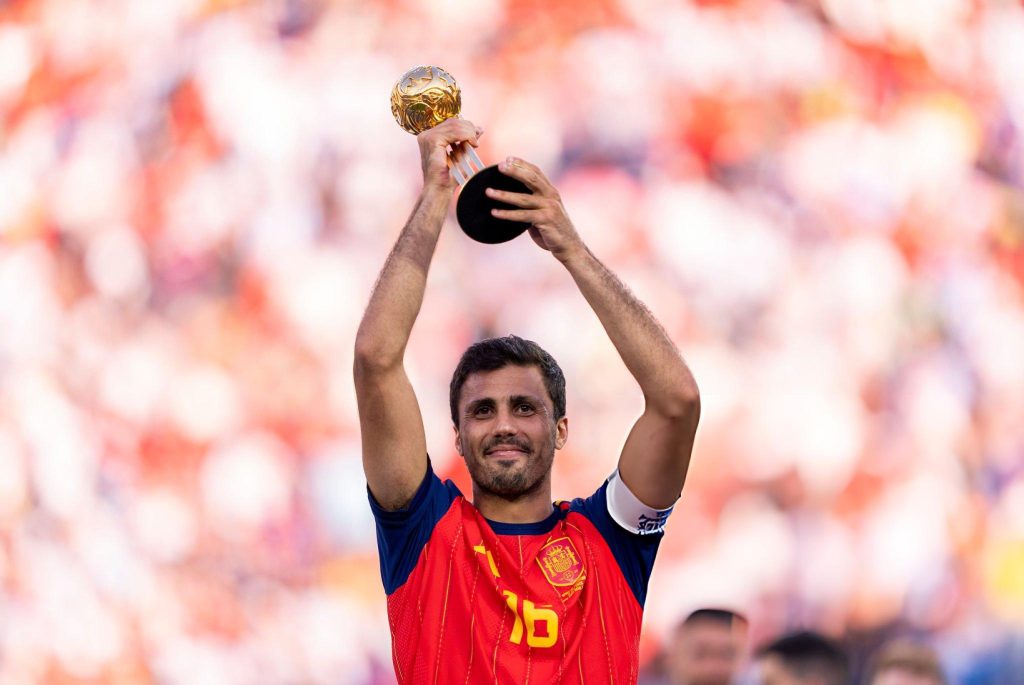
His ability to read the game, break up opposition attacks, and create opportunities from midfield made him one of the most influential players of the tournament. Rodri’s performances perfectly represented Spain’s football philosophy built around control and technical quality.
Pau Cubarsí Receives Young Player Award
Spain’s new generation continued to shine, with Pau Cubarsí earning the Young Player Award. The young defender impressed with his composure, defensive awareness, and maturity throughout the competition.

His performances showed the strength of Spain’s development system and highlighted the emergence of another talented generation of players.
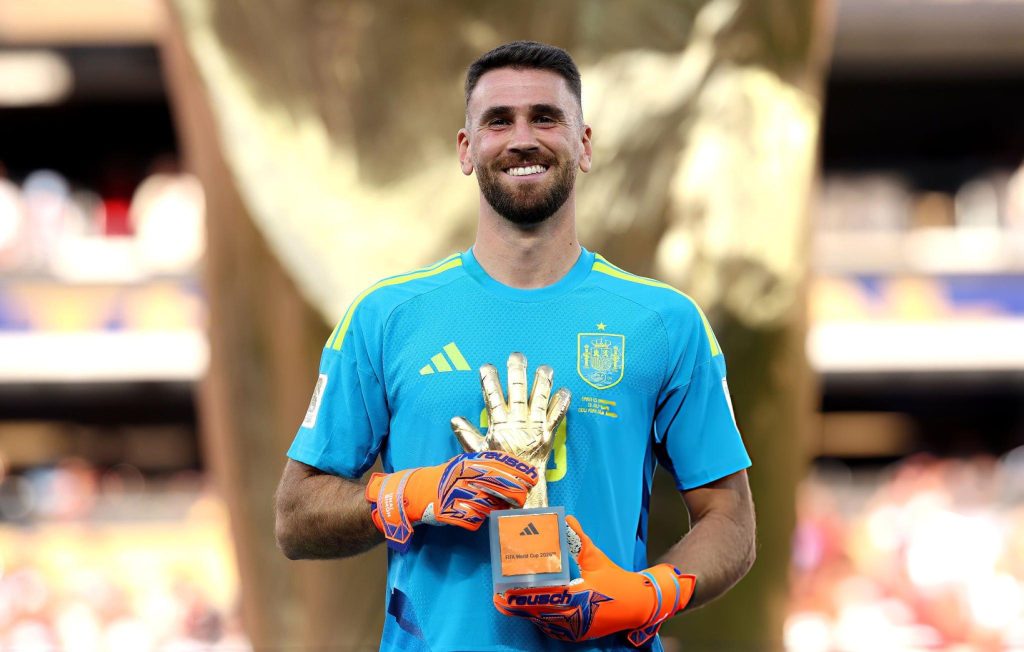
Unai Simón Wins Golden Glove Award
Goalkeeper Unai Simón was recognised with the Golden Glove Award after playing a crucial role in Spain’s defensive success. His consistency and important saves helped Spain maintain one of the strongest defensive records of the tournament.
Spain’s success was built on a complete team effort rather than individual brilliance. Their ability to control possession, maintain defensive discipline, and create chances through movement and passing proved decisive throughout the tournament.
Spain’s success was built on a complete team effort rather than individual brilliance. Their ability to control possession, maintain defensive discipline, and create chances through movement and passing proved decisive throughout the tournament.
With the World Cup trophy and three individual awards, Spain have once again demonstrated the strength of their football philosophy. Their latest triumph stands as another milestone in the history of Spanish football.
Spain’s World Cup victory is not just a championship win; it is a celebration of a football style that continues to inspire the world.