

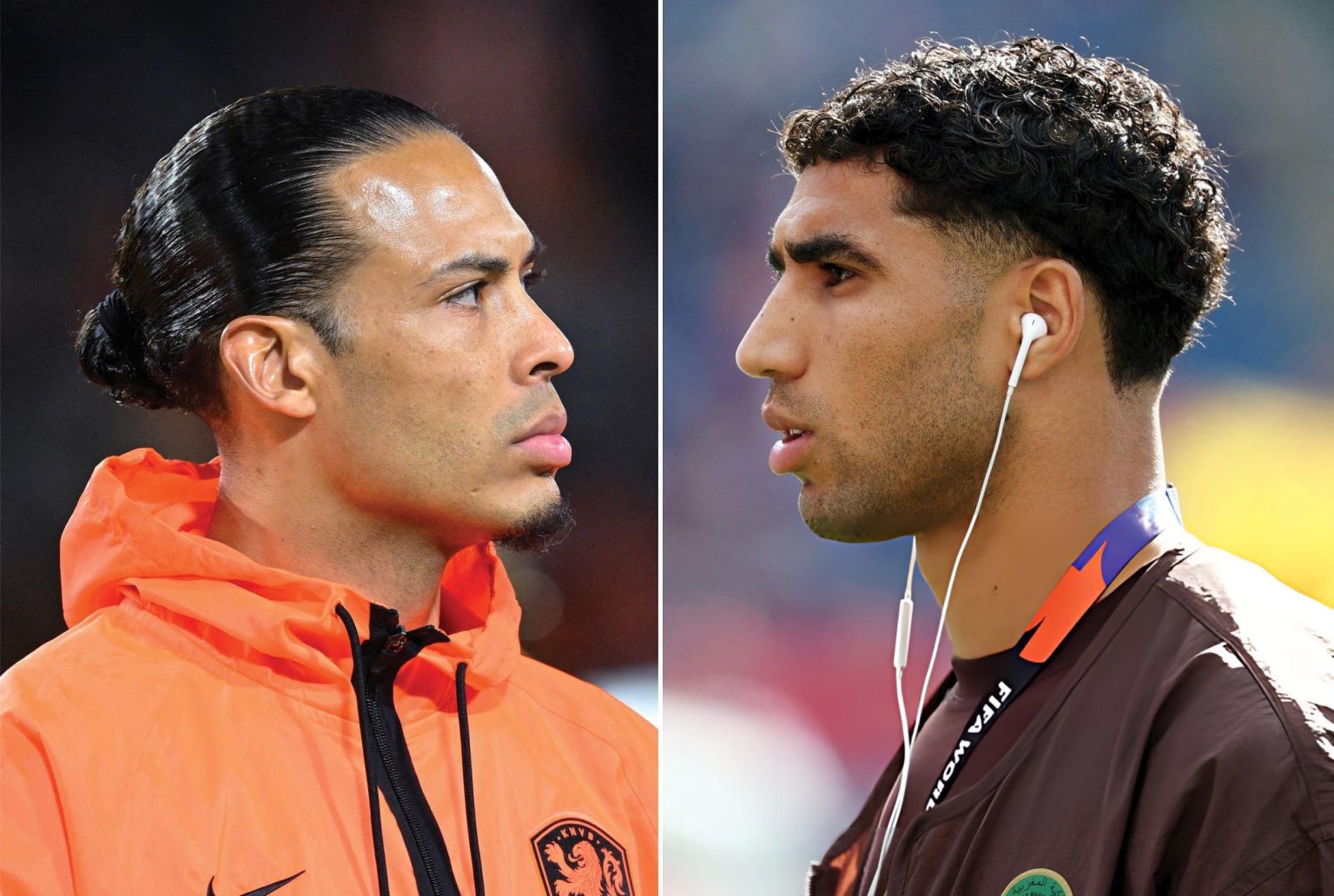
The FIFA World Cup has always been about more than trophies and goals. Every edition brings together stories shaped by history, culture, migration and identity, and few matches at World Cup 2026 represent those themes more powerfully than Netherlands vs Morocco.
While both teams enter the Round of 32 in excellent form, the real significance of this encounter extends well beyond the football pitch.
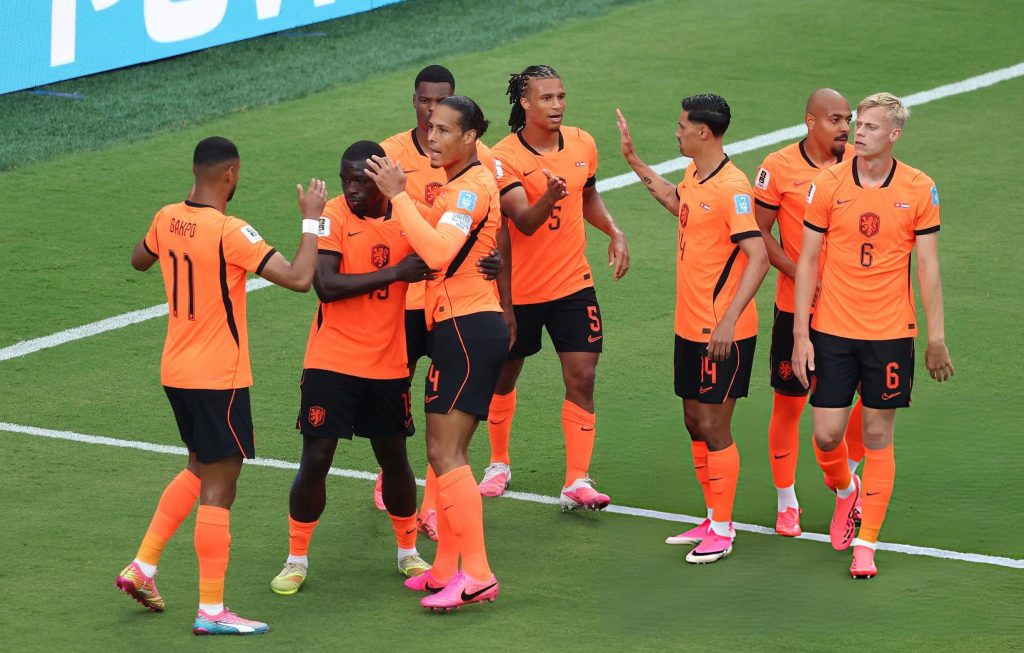
The Netherlands topped Group F unbeaten with seven points, scoring 10 goals in one of their most impressive World Cup group-stage campaigns.
Morocco also reached the knockout stage without suffering defeat, finishing behind Brazil only on goal difference after an impressive group-stage performance.
Yet this fixture is about much more than statistics.
A Rivalry Built on Shared History
For decades, Dutch-born footballers with Moroccan roots were expected to represent the Netherlands. That belief has changed dramatically over the last decade.
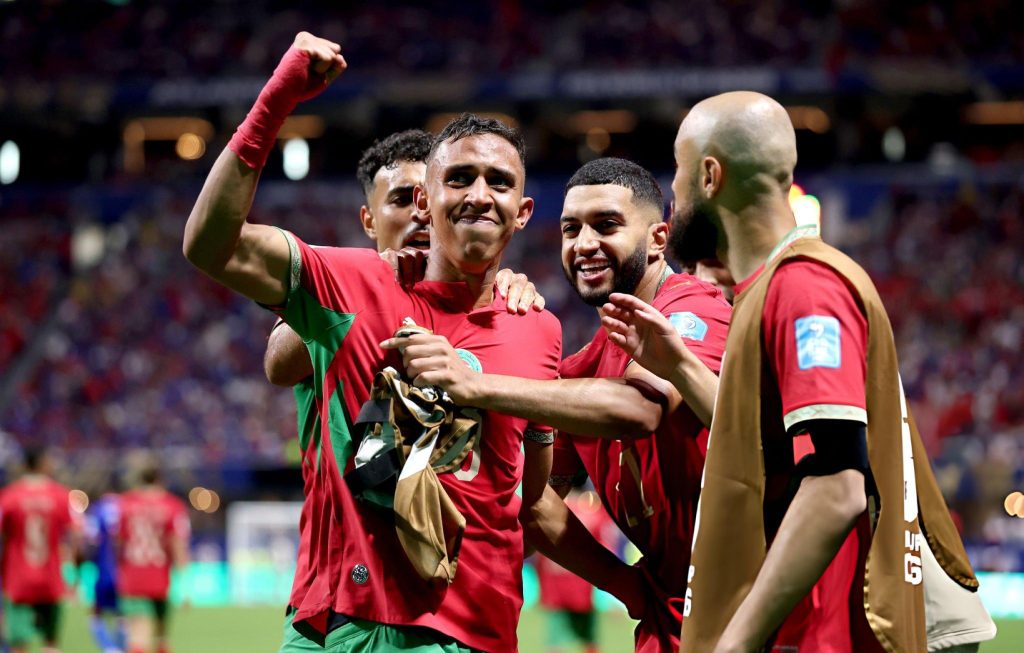
Modern football has blurred traditional ideas of nationality, with many players now choosing the country that best reflects their personal identity rather than simply their birthplace.
More Read

Morocco’s rise as a global football force has played a huge role in that transformation.
Morocco’s Recruitment Revolution
The Royal Moroccan Football Federation invested heavily in identifying talented dual-national players across Europe, particularly in the Netherlands, France, Belgium and Spain.
Instead of waiting until players reached senior level, Moroccan officials built long-term relationships with both players and their families, creating trust long before international decisions had to be made.
That strategy has completely reshaped Morocco’s national team.
Nineteen members of Morocco’s 2026 World Cup squad were born outside the country, highlighting the success of a recruitment model that has transformed the Atlas Lions into one of world football’s most competitive teams.
Hakim Ziyech Changed Everything
Perhaps no player symbolizes this shift better than Hakim Ziyech.
Raised entirely within Dutch football, Ziyech represented the Netherlands at youth level and even received a senior call-up. However, after feeling overlooked by the Dutch setup, he chose to represent Morocco instead.
More Than Football
His decision proved to be a turning point.
Since then, several talented Dutch-developed players, including Noussair Mazraoui, Sofyan Amrabat and Anass Salah-Eddine, have also committed their international futures to Morocco.
Their choices helped transform Morocco into one of international football’s strongest emerging nations.
The connection between the Netherlands and Morocco stretches far beyond the game.
Large-scale Moroccan migration to the Netherlands began during the late 1960s, creating generations of families whose identities are connected to both nations.
For many footballers born into these communities, choosing a national team is never a simple football decision. It often reflects family traditions, cultural identity and personal belonging.
Representing Morocco does not necessarily mean rejecting the Netherlands—and vice versa. For many players, it is simply choosing where they feel most at home.
A New Football Reality
The Netherlands remain one of football’s greatest producers of elite talent, while Morocco has become one of the world’s smartest recruiters of dual-national stars.
That changing relationship has altered the balance between the two nations and added an emotional dimension to every meeting between them.
Their World Cup clash in Monterrey is not just a battle for a place in the Round of 16.
It is the latest chapter in a remarkable story of identity, heritage and modern football—where nationality is no longer defined solely by birthplace, but by culture, family and the pride of representing home.