


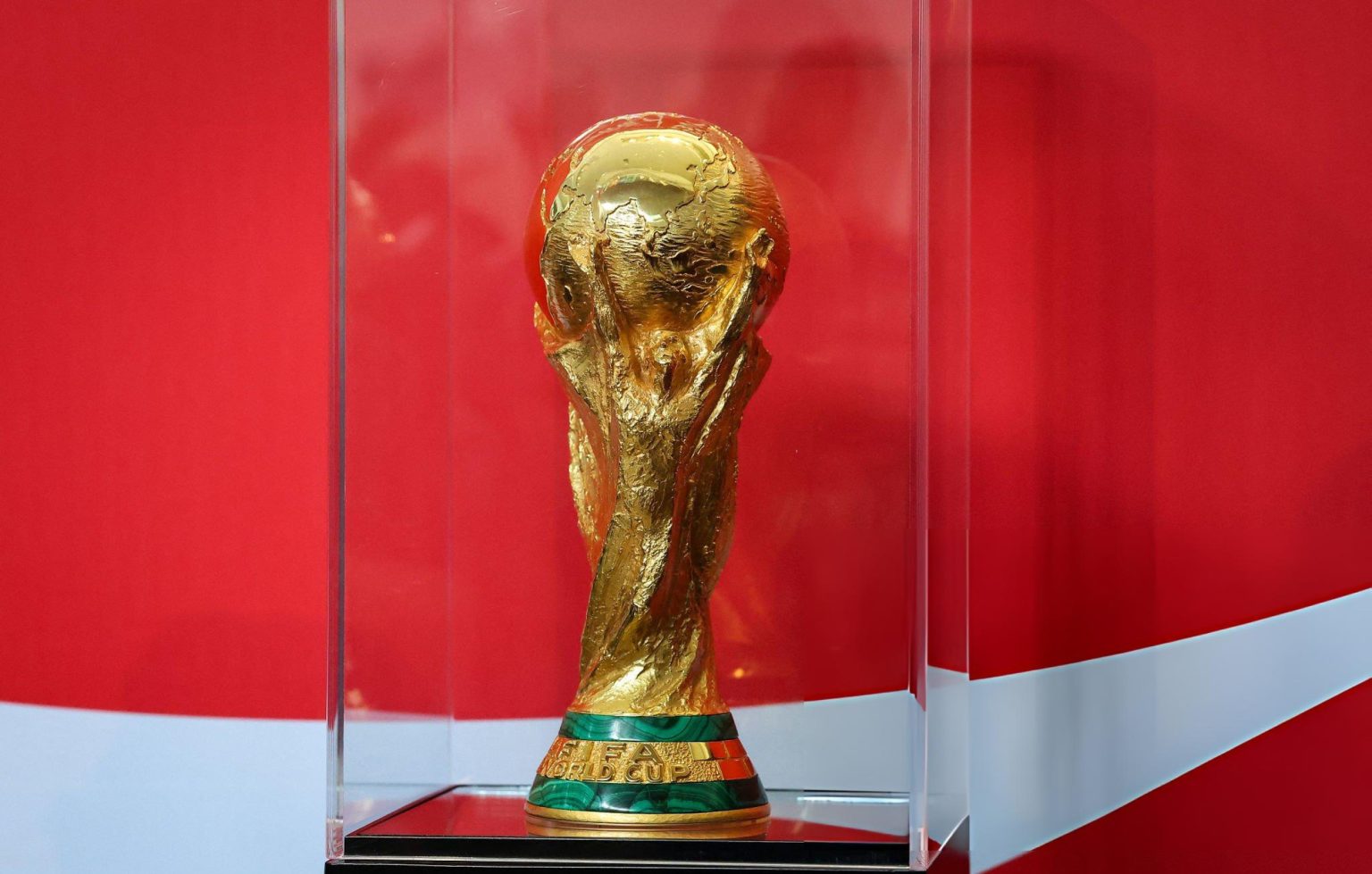
The FIFA World Cup 2026 is set to become the most expansive and commercially significant edition in the tournament’s history, as football’s global showpiece prepares to be hosted across three countries — the United States, Mexico, and Canada.
With an expanded format featuring 48 teams for the first time, the upcoming World Cup is expected to redefine the scale, reach, and economics of international football.
A new era of global football
The 2026 edition marks a major shift in FIFA’s tournament structure. The expansion from 32 to 48 teams means more nations, more matches, and greater global representation on football’s biggest stage.
FIFA officials say the move is designed to increase inclusivity and give emerging football nations a chance to compete at the highest level. However, critics argue the expansion could dilute competition quality and place additional strain on players and scheduling.
Qualified Teams and Global Representation
The tournament will feature 48 national teams, with qualification still ongoing in several regions. Some teams have already secured their places, while others are expected to qualify through continental tournaments.
Three nations, one tournament
For the first time in history, the World Cup will be jointly hosted by three countries:
Confirmed Hosts (Automatically Qualified)
United States
Mexico
Canada
The tournament will take place across multiple cities, making it the largest geographically spread World Cup ever staged.
AFC (Asia – Strong contenders and qualifiers)
Asia is expected to send a large number of teams, with several already confirmed or close to qualification, including:
Japan, South Korea, Iran, Saudi Arabia, Australia.
UEFA (Europe – most competitive region)
Europe’s qualification process is still ongoing, but traditional powerhouses are expected to feature:
France, Germany, England, Spain, Portugal, Italy, Netherlands, Belgium, Croatia.
CONMEBOL (South America – elite football region)
South America’s qualifiers are highly competitive, with top teams expected to include:
Argentina, Brazil, Uruguay, Colombia, Ecuador.
CAF (Africa – rising football force)
African nations are fighting for qualification spots, with strong contenders such as:
Morocco, Senegal, Nigeria, Egypt, Ghana.
CONCACAF (North & Central America + Caribbean)
Along with hosts USA, Mexico, and Canada, additional teams are expected to qualify from the region.
OFC (Oceania)
New Zealand is the leading candidate for qualification from the region.
Commercial boom and rising costs
The 2026 World Cup is projected to generate record-breaking revenue for FIFA, driven by broadcasting rights, sponsorship deals, and global demand.
However, rising ticket prices, travel expenses, and accommodation costs have sparked debate among fans. Dynamic pricing strategies have further raised concerns that the tournament may become less accessible for ordinary supporters.
FIFA maintains that pricing reflects global market demand and the scale of modern sporting entertainment.
At the same time, logistical concerns — including visa regulations, transport costs, and security arrangements — have added pressure on host cities preparing for record crowds.
A defining moment for FIFA
For FIFA, the 2026 World Cup is more than just a tournament — it is a defining moment for its modern vision of football. The success or failure of this edition will likely shape how the expansion model is judged for years to come.
As anticipation builds, one thing is certain: the world will once again come together for football’s greatest celebration — bigger, bolder, and more global than ever before.