

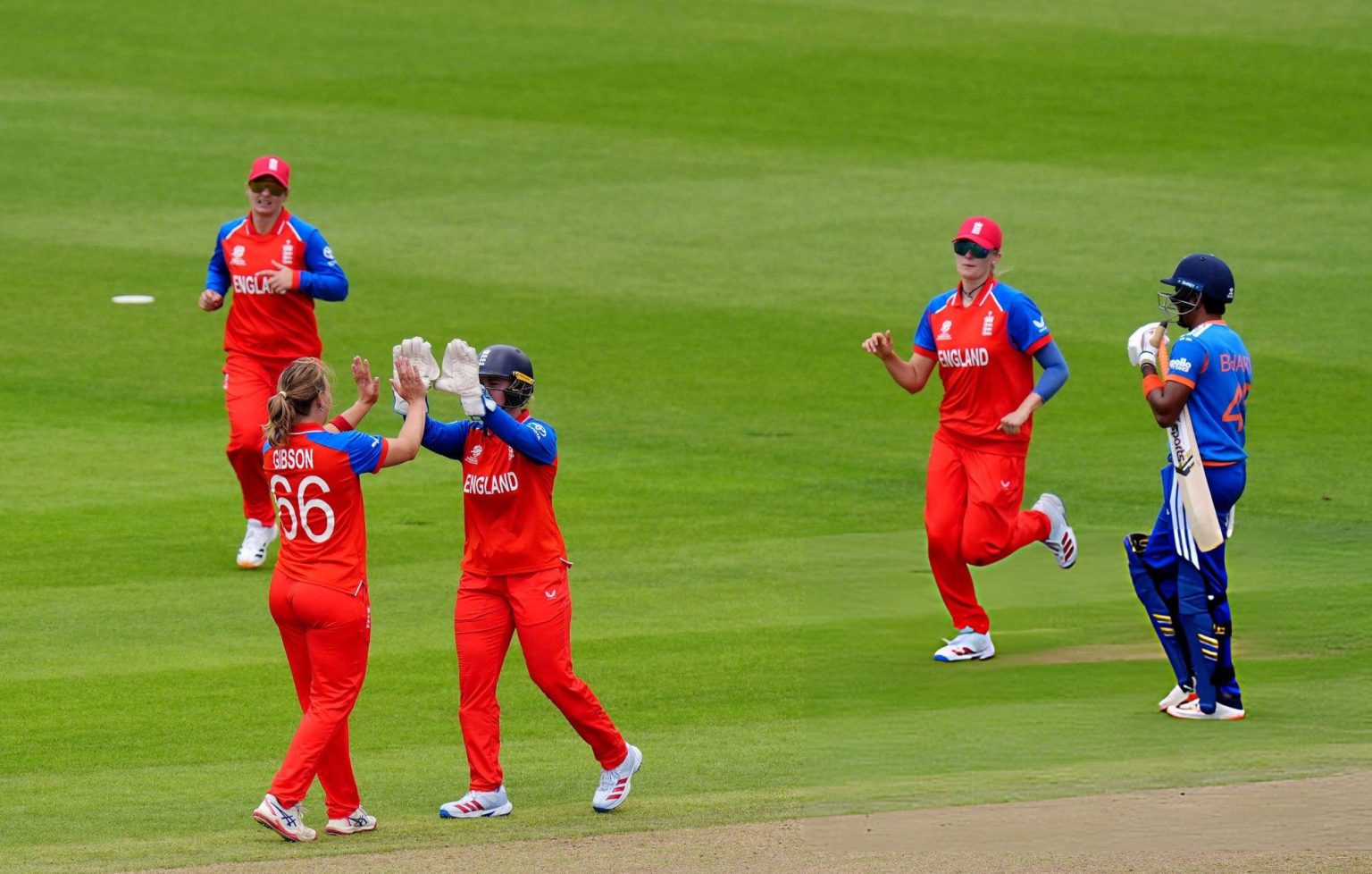
The Women’s T20 World Cup is back where it all began, as England prepares to host the global showpiece once again with hopes of showcasing just how far women’s cricket has come.
The tournament opens at Edgbaston with England taking on Sri Lanka, marking a symbolic return to the country that staged the first-ever Women’s Cricket World Cup in 1973. More than five decades later, the landscape of women’s cricket has transformed dramatically, with record-breaking crowds, professional leagues, and growing global recognition helping drive the sport into a new era.
What started as a visionary idea championed by pioneers Rachael Heyhoe Flint and Jack Hayward has evolved into one of the most significant events on the international cricket calendar. The inaugural tournament in 1973 laid the foundation for a movement that has continued to gain momentum across the decades.
This year’s event arrives amid unprecedented growth in the women’s game. Organizers have already reported ticket sales surpassing 150,000, reflecting the increasing popularity and commercial strength of women’s cricket worldwide.
The rise of tournaments such as the Women’s Big Bash League (WBBL) and the Women’s Premier League (WPL) has helped elevate the profile of female cricketers, creating new opportunities and expanding the sport’s reach. Players are now household names in several cricket-loving nations, particularly in India, where the women’s game has witnessed a remarkable surge in support.
England’s successful hosting of the 2017 Women’s World Cup is widely regarded as a turning point for the sport. The memorable final at Lord’s, where England defeated India before a packed crowd, demonstrated the immense potential of women’s cricket and inspired greater investment across the game.
Since then, professional pathways have expanded significantly. England and Wales now boast more than 150 professional female cricketers, a substantial increase from just 18 professionals in 2017. However, challenges remain, particularly regarding pay parity and equal opportunities across the sport.
Tournament organizers are determined to build on the progress of recent years. Inspired by the success of the 2019 Men’s Cricket World Cup, they hope to create an inclusive festival of cricket that celebrates diverse communities and attracts fans from around the world.
The competition also arrives at a time when women’s cricket is enjoying unprecedented visibility. Australia’s record-breaking crowd of more than 86,000 at the Melbourne Cricket Ground during the 2020 Women’s T20 World Cup final and India’s historic triumph in the most recent Women’s ODI World Cup have highlighted the game’s growing appeal.
For England, expectations remain high. The hosts have enjoyed considerable success on home soil and will be eager to add another world title to their collection. Yet the broader significance of the tournament extends beyond results.
This World Cup represents an opportunity for women’s cricket to stand confidently on its own, free from comparisons and increasingly recognized for its unique appeal. With strong ticket sales, growing fan engagement, and a generation of stars inspiring millions, the stage is set for a landmark tournament.
As the action begins at Edgbaston, England once again finds itself at the heart of women’s cricket history—this time not as a pioneer fighting for recognition, but as the host of a thriving global spectacle ready to reach even greater heights.